For persecuted Christians, Scripture hits differently
In contexts where Christians face persecution, scriptures that seem challenging in the West can be sources of liberation and boundary-breaking joy.
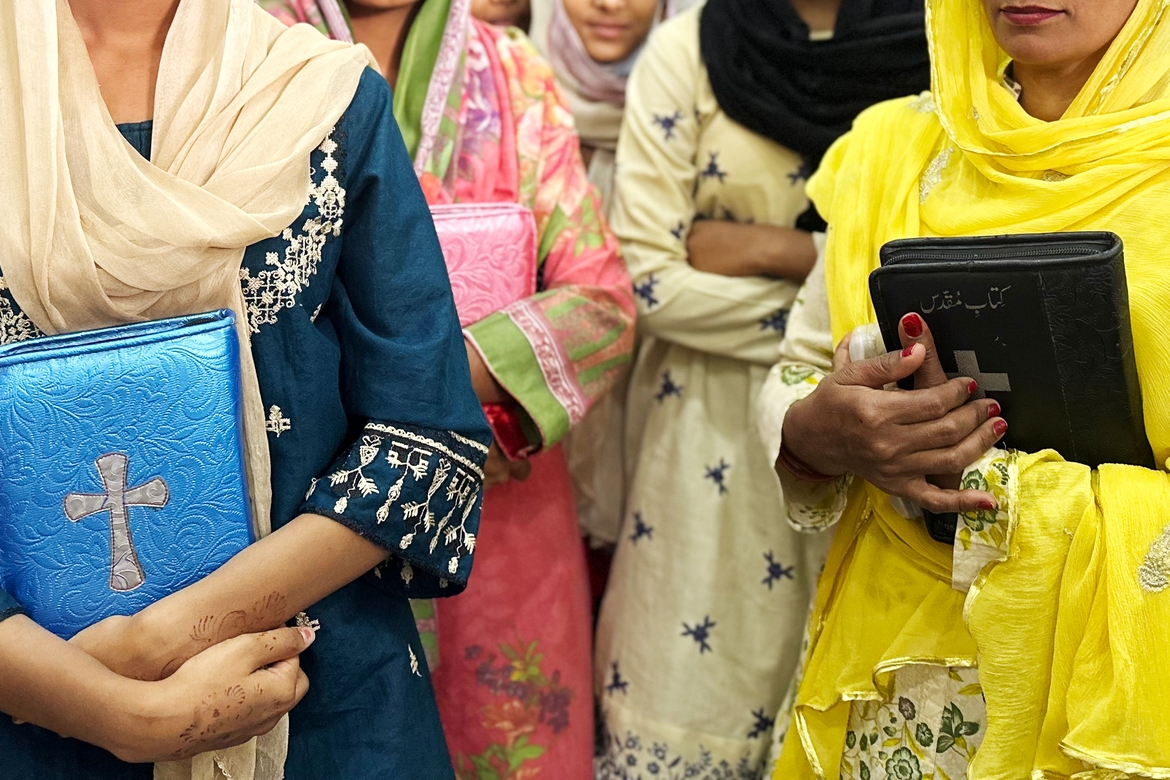
In the final moments before Jesus dies on the Cross, he prayed for unity, for his disciples and those who come to faith through them. That is why the Christian fellowship across national and cultural boundaries matters so deeply – it is a direct consequence of Jesus’ prayer. For western Christians, the global Church gives us invaluable sources for both correction and inspiration.
A couple years ago, I spent some time in Vietnam. The encounter with Vietnamese Christians gave me completely new perspectives on the significance of Jesus as the final atoning sacrifice. For me, ‘sacrifice’ can be a foreign concept. But for animists, there are few things more appealing about the Christian faith than Jesus making all sacrifices to the spirits superfluous. It represents an end of a practice that is unsustainable and self-effacing.
In India, for casteless Dalits, scripture passages about believers being chosen by God do not spark theological debates about predestination. Instead the verses become sources of boundary-breaking joy, in stark contrast to the ruthlessness of the caste system: One is not predestined to oppression and exclusion, but to a resurrected fellowship with God.
For North Koreans who have been raised to submit to the eternal President Kim Il-Sung, the discovery of God as the supreme authority is liberating, not fear-inducing. No matter what suffering the Kim regime may be able inflict on a person, into eternity the regime does not get the last word.
In Egypt, Coptic Christians challenge my tendency to see faith as a project for my personal or individual flourishing. They have not forgotten that the Creed is prayed in the plural form, and that both tradition and renewal unfold in community with others. Impoverished children in the slums of Cairo show an expectation of the Bible's promises that I have not seen anywhere else: as the children say, "I can do all things through Him who makes me strong!"
For the persecuted Church, the sharp contrast between the congregation’s external circumstances and inner conviction allows for God's intervention in ways the Western Church rarely experiences. At Stefanus Alliance, we consider it our sacred duty to share their testimonies.
We are allowed to lift our eyes, in wonder and gratitude for the global community we belong to. Where we lack understanding, faith, or boldness, other Christians have insights and experiences that make our faith diverse and rich. Perhaps this was part of what Paul also sensed, when he prayed that the church in Ephesus would be able to comprehend the breadth and length, height and depth of Christ's love — along with all the saints.
Written by Hilde Skaar Vollebæk.
This piece was originally published in Stefanus Alliance’s Norwegian magazine, Magasinet Stefanus.